September 8, 2026•13 min read
GPT-6 Astra is here, and it wants your mouse
Every button is an API now. Happycapy is the computer the agent reaches for.
Read more
Insights, updates, and stories about building the future of AI interfaces
Every button is an API now. Happycapy is the computer the agent reaches for.
Anthropic built it to solve frontier science. We asked it to shake a snow globe.

Your work should outlive the tools that made it.
Humans can’t tell Grok 4.6 from Grok 4.5 anymore, so we let an AI grade the exam.
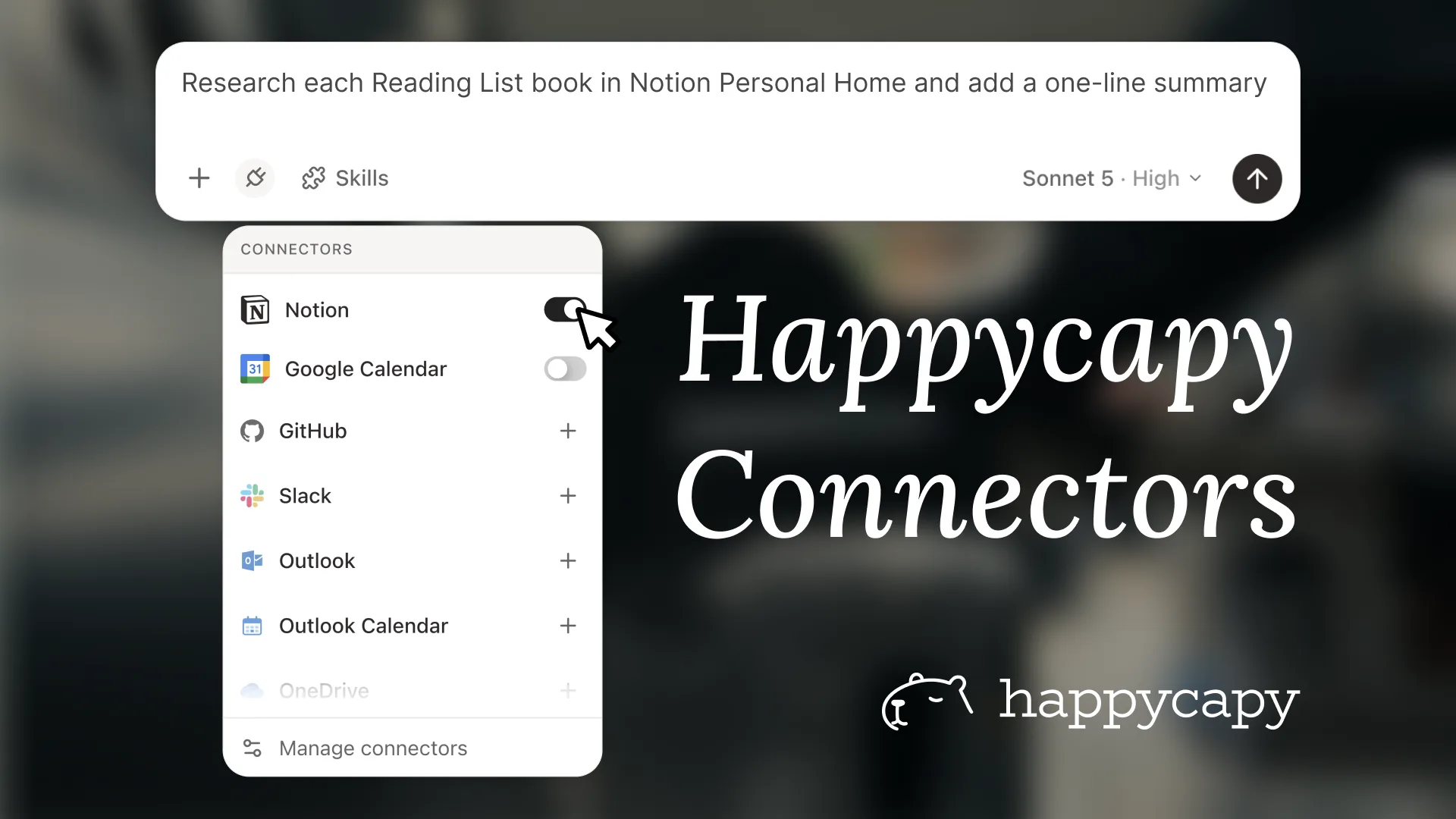
Your AI is already smart enough. Give it somewhere to work.

Anthropic's mid-tier model now rivals the flagship on most benchmarks, if you manage the effort level.

Anthropic's top Mythos-class flagship, not a storytelling model, and the first commercial AI model pulled by a government order.

Google's any-to-any model that generates 720p video with synchronized audio, and lets you edit it by talking across turns.
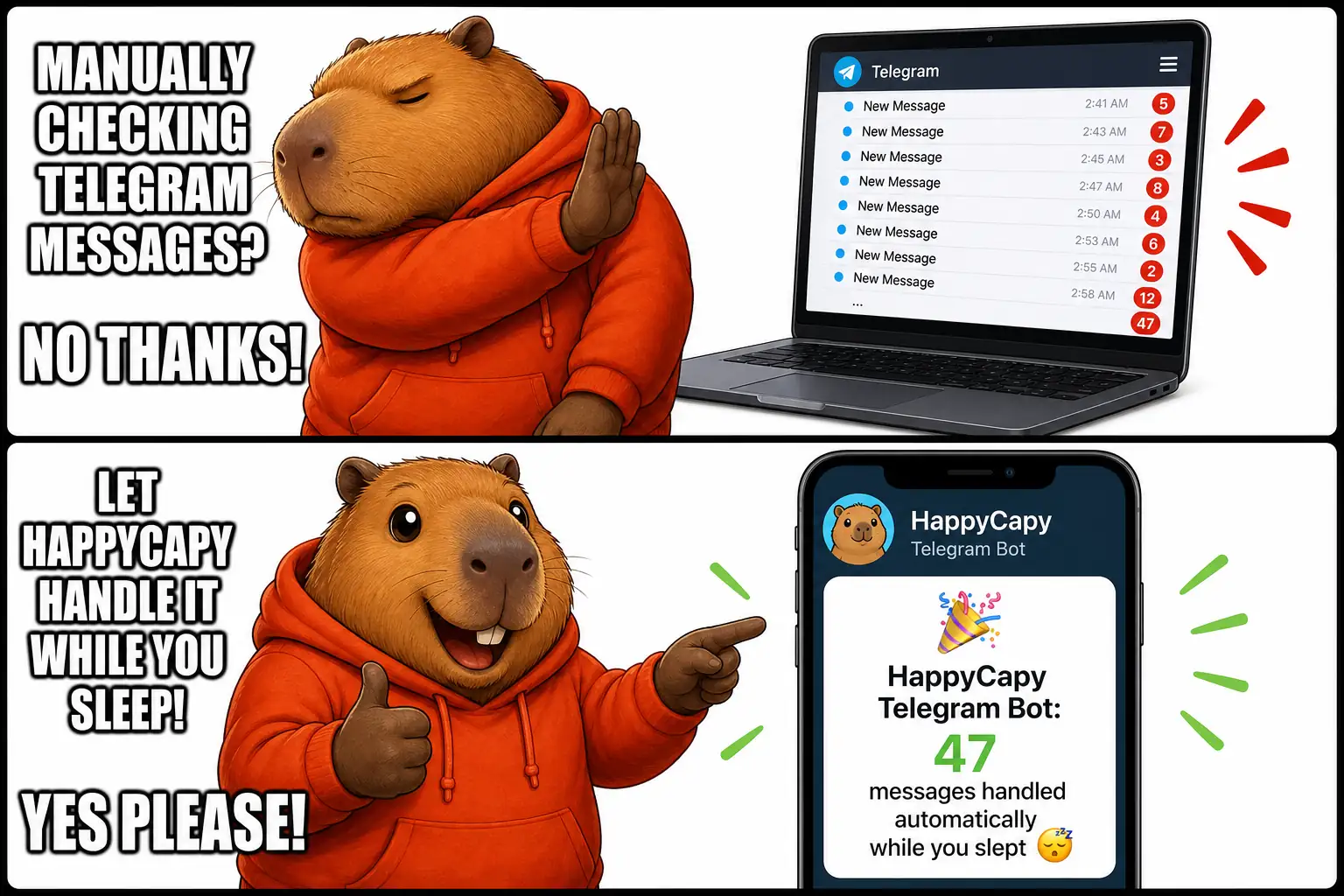
Your Happycapy agent, with all its tools, skills, and capabilities, accessible directly from Telegram.
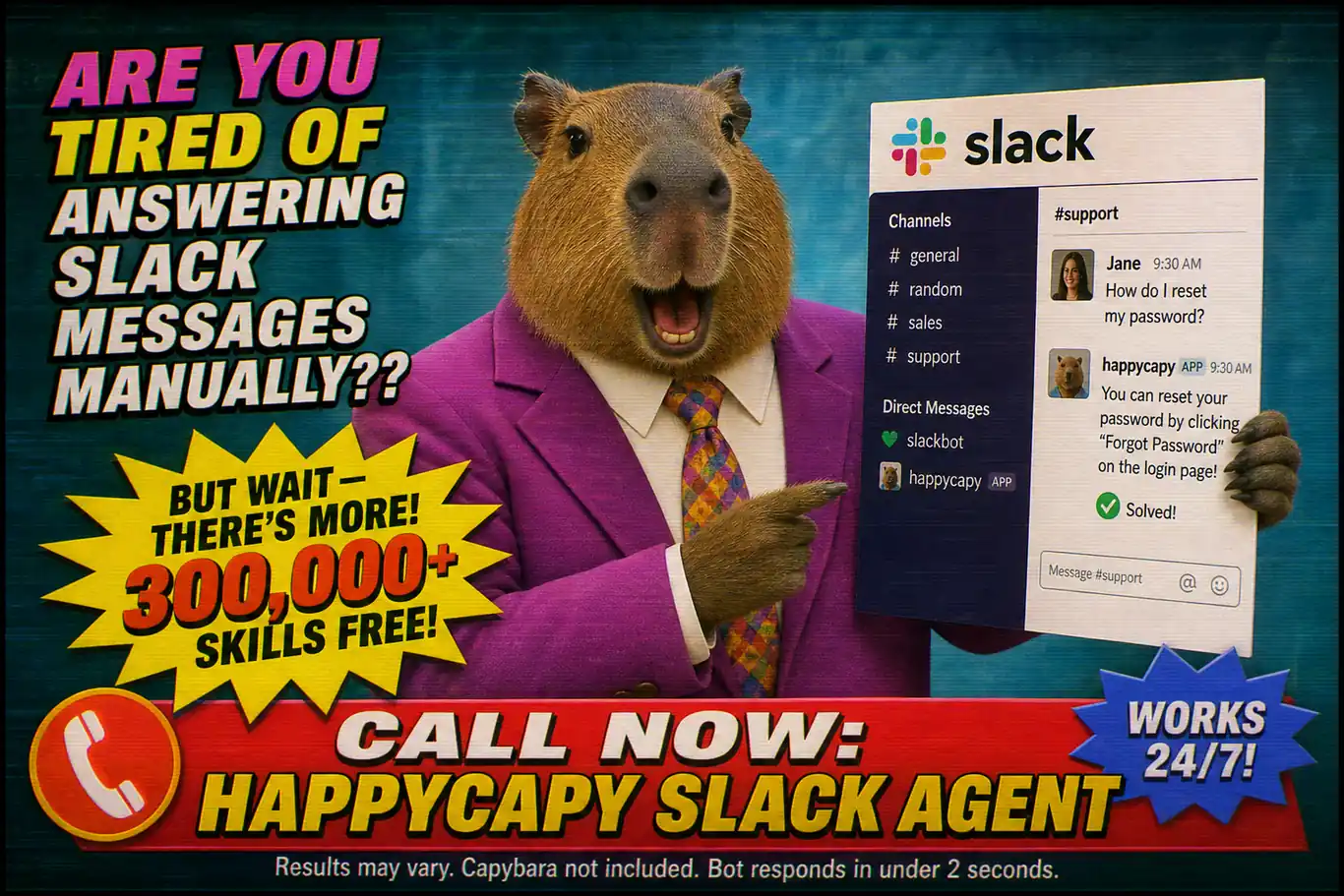
Socket Mode, full tool access, per-thread memory: Happycapy becomes your team's AI agent inside Slack.
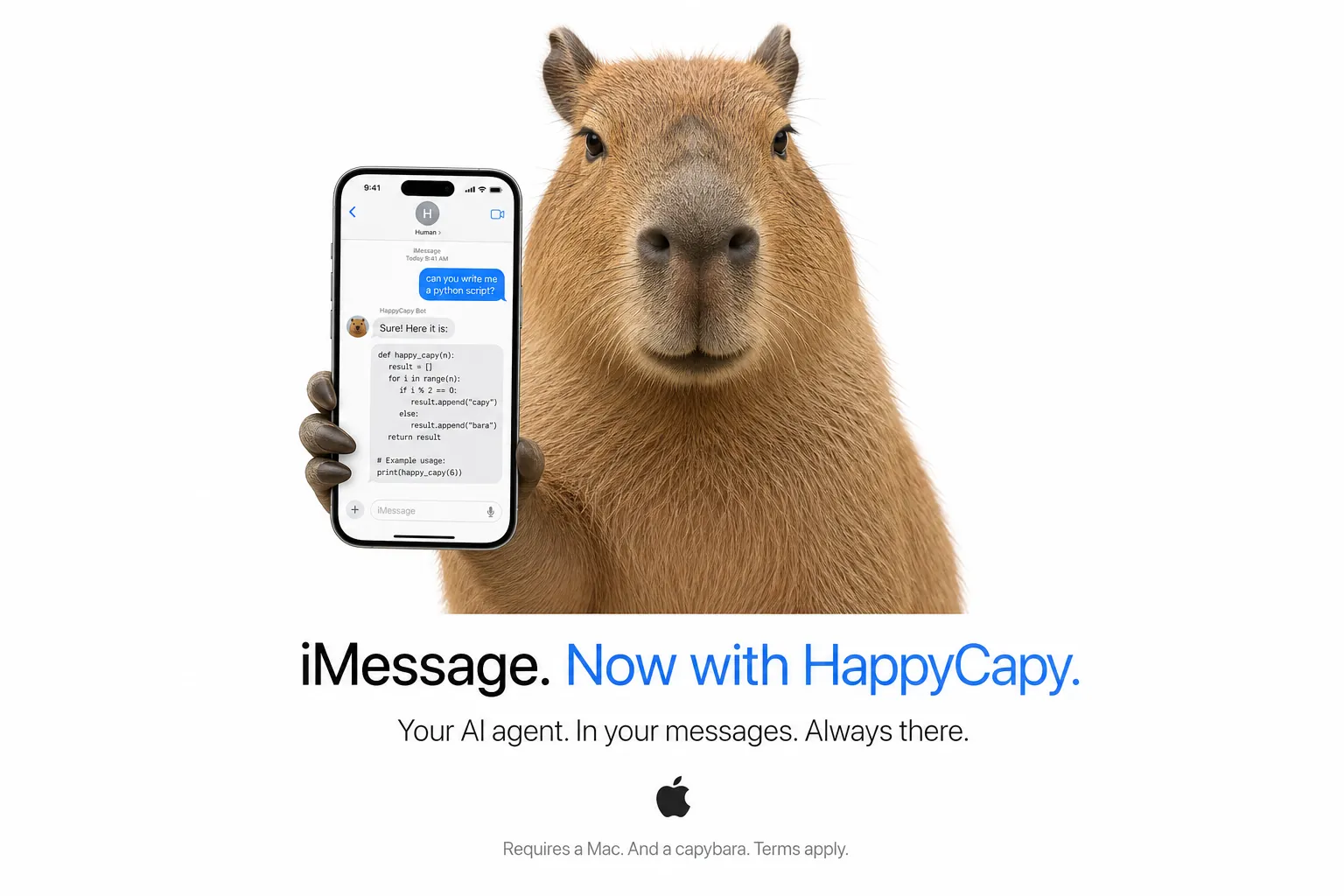
BlueBubbles + Happycapy's capy-bridge: the same stack Hermes Agent uses, now available as a one-click skill.

Research done for you, not just answered: an agent that browses, cross-checks, cites, and delivers a finished brief.

Upload your data; the agent writes the code, runs it in a sandbox, and hands back charts and a written report, no Python required.
Delegate a goal. Get a pull request. The full guide to autonomous coding agents, not autocomplete.
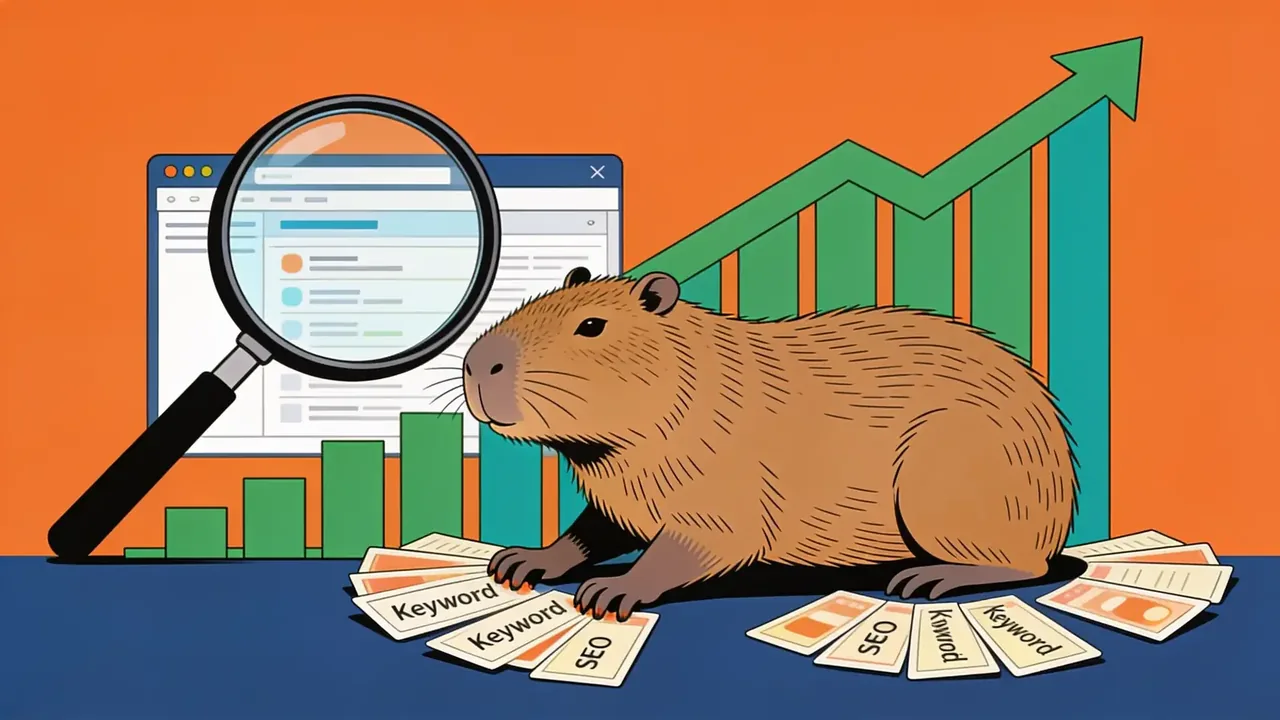
Delegate the SEO goal: the agent runs keyword research, competitor gaps, briefs, and link audits in one session.

One clear answer to 'what should I switch to from Manus', with an honest case for and against.
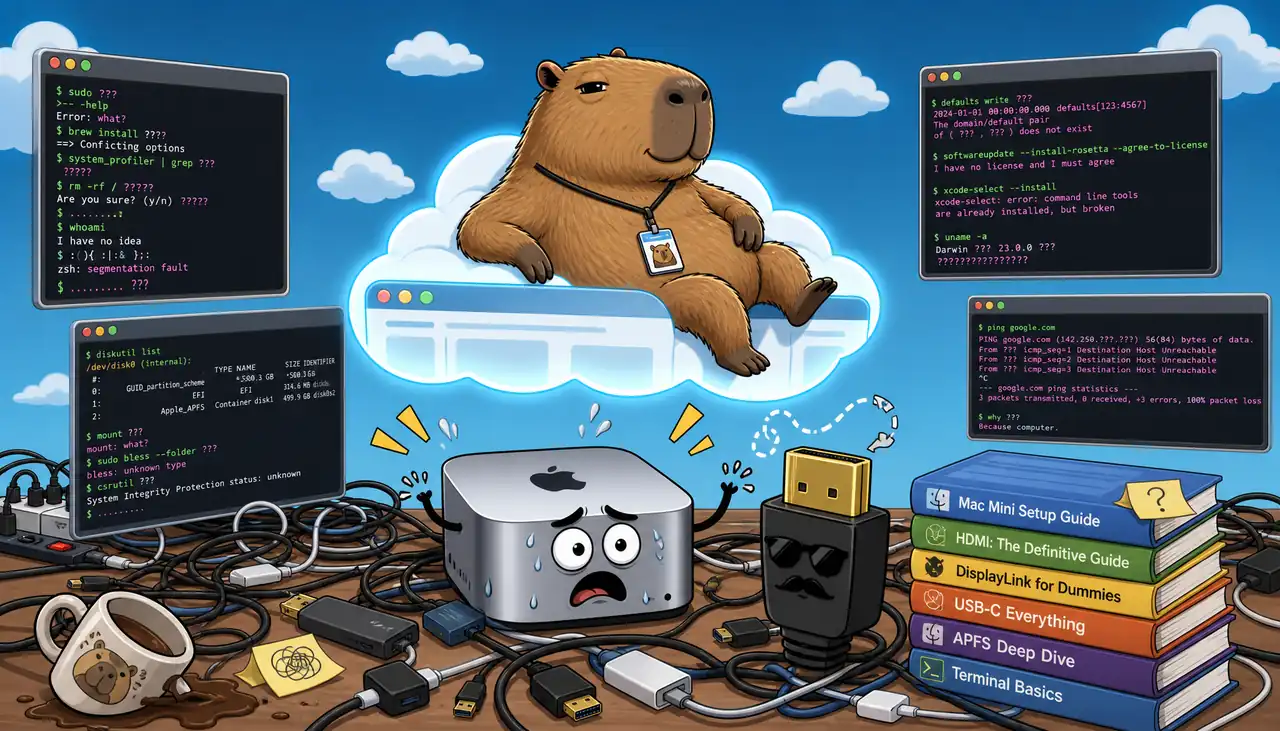
Most Mac Mini AI setups still route through Claude or GPT. Here is the honest picture on setup complexity, which specs matter, and where Happycapy fits.

Happycapy lets newsletter operators automate subscriber research 24/7, no coding needed. Run AI agents that gather, analyze, and summarize audience insights automatically.

Happycapy AI agents monitor supplier stock 24/7, alert you to changes, and automate dropshipping updates, no coding required. Start tracking stock today.

Happycapy AI agents automatically compile influencer outreach spreadsheets, scraping profiles, contacts, and metrics, no coding or manual copy-paste required.

Happycapy lets you automate YouTube research 24/7 using AI agents, no editor, no code, no installs. Schedule tasks, analyze trends, and ship content faster.

Happycapy AI agents monitor competitor prices 24/7 automatically. Set up scheduled price tracking, get alerts, and never miss a market shift, no coding needed.

Small accounting firms use Happycapy AI agents to automate client bookkeeping tasks (data entry, reconciliation, reports) 24/7 with no coding required.

Happycapy lets you run a recruiter AI agent that reviews resumes, scores candidates, and compiles a shortlist automatically, no coding required.

Happycapy AI agents monitor Amazon listings 24/7 overnight, tracking price, title, and stock changes automatically. No coding required. Start free today.

Content creators can automate sponsor research and outreach using Happycapy AI agents: find brand fits, draft pitches, and follow up 24/7 without coding.

Happycapy AI agents fill compliance forms automatically, no coding needed. Run browser-based agents 24/7 to handle regulatory paperwork with zero manual effort.
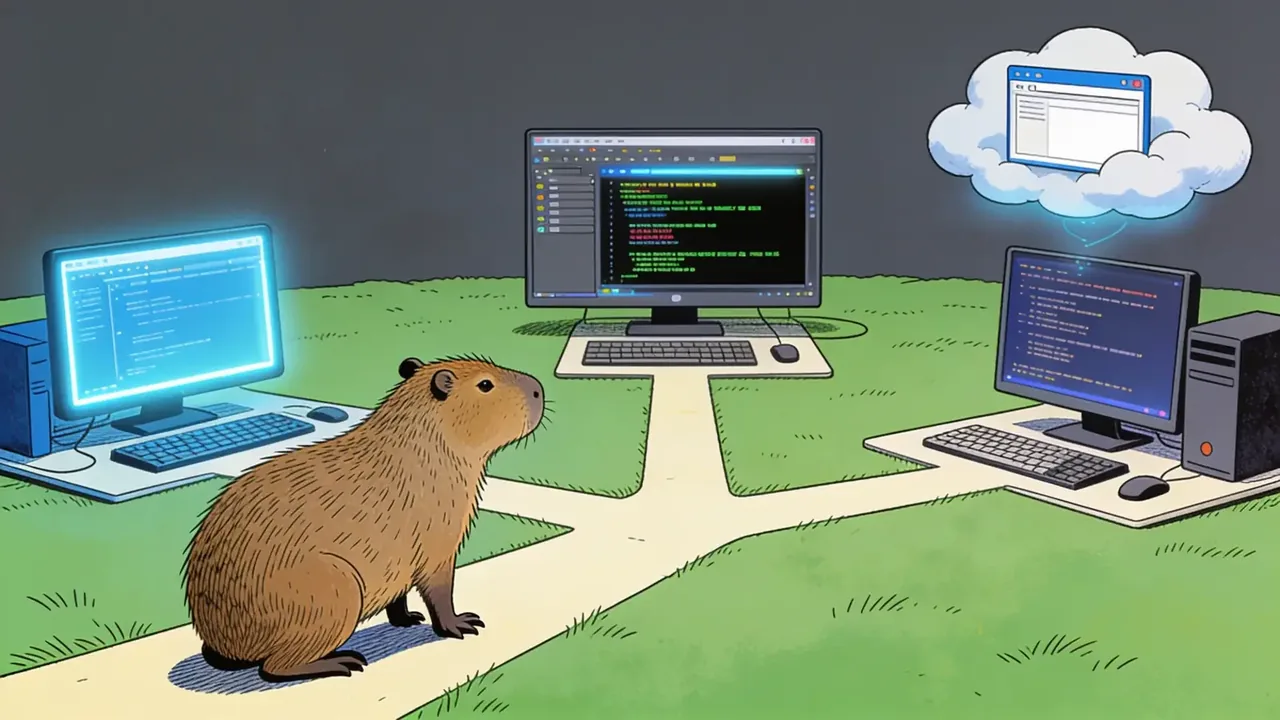
Not one winner: the right Copilot alternative depends entirely on how you work.

The official library that turns Claude Code's agentic engine into a programmable building block for CI, automation, and multi-agent systems.

Run the same agentic review your senior engineer would, straight from the diff, without the mental overhead.
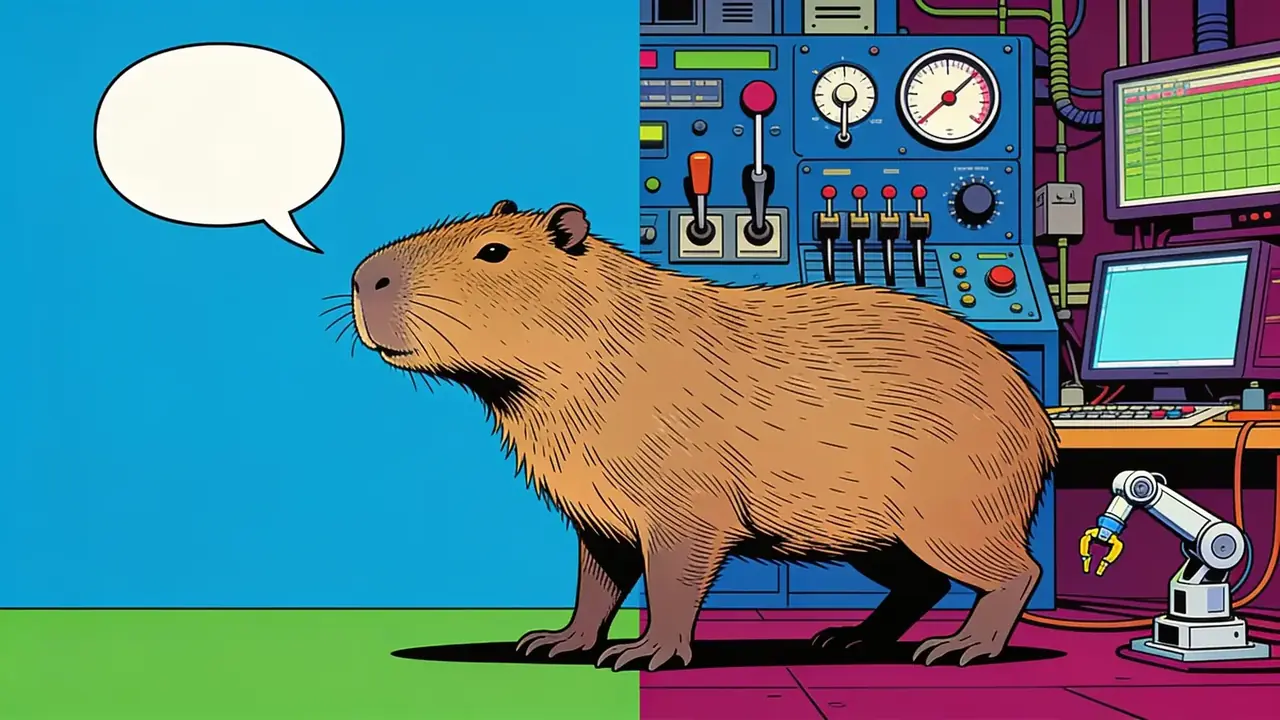
One responds. The other acts. Exactly how to tell the difference, and choose the right one for the job.

Claude Code hooks run your commands automatically at lifecycle events: validate, lint, block, or log without being in the loop. The events, config, five recipes, the exit-code gotcha, and how to run Claude Code with no setup.

GPT Image 2 is OpenAI's state-of-the-art model for generating and editing images. What it does, generation vs editing, how it compares, how to access it, and the no-setup way to use it.

An MCP server exposes tools, data, and actions to AI agents through one open standard. What it is, the M×N problem it solves, the client-server architecture, and how to use it with no setup.

Grok 4.20 is xAI's fast, agentic model with a 1M-token context and a low hallucination rate. The verified specs, pricing, what it's good at, and how to use it with no API key.
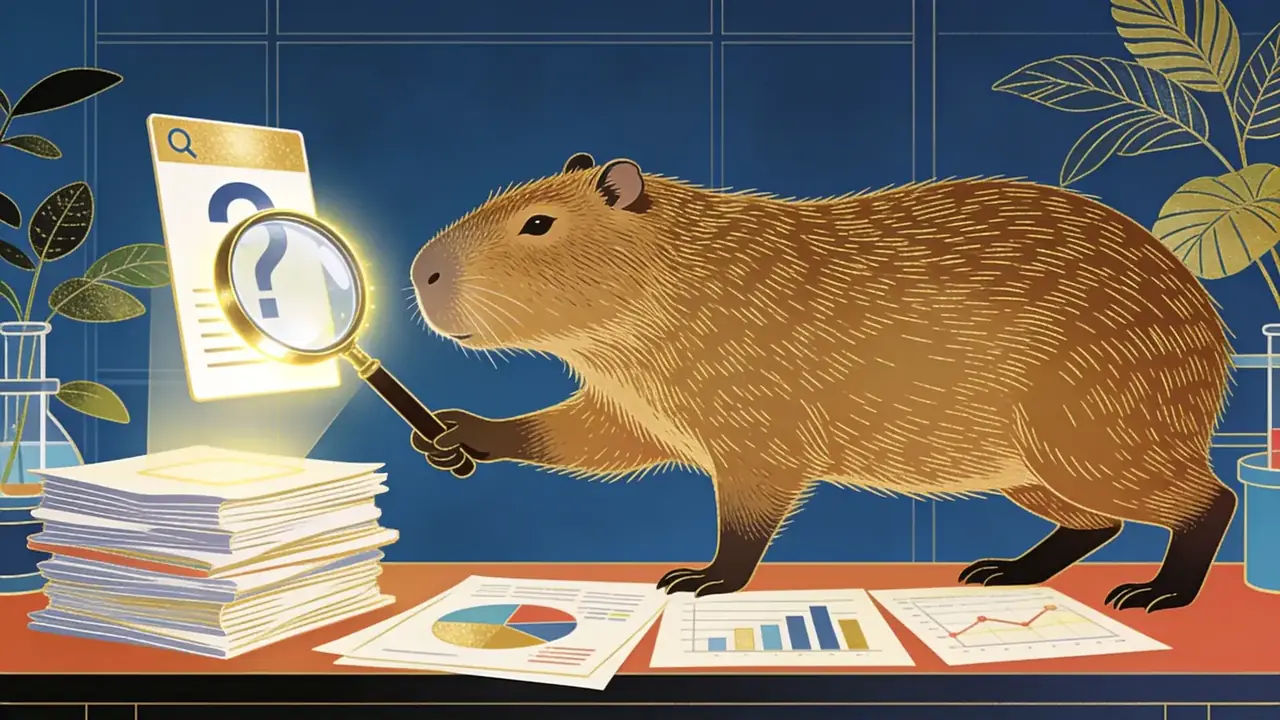
Perplexity answers your question but stops there. The best alternatives, grouped by whether you want a better cited answer or an agent that turns research into a finished deliverable.

Claude Code delegates the whole task; Copilot assists every keystroke: which you need depends on who you want in the driver's seat.

Control vs flow: the real trade-off between the two best AI code editors of 2026, now that Windsurf is part of Cognition's Devin.

From raw data to finished file: the methodology behind AI report generation, and why the pipeline matters more than the model.

The fast, cheap powerhouse that makes AI agent loops economically viable, and why it matters more than its price tag suggests.

ByteDance's image model for high-fidelity generation, legible text rendering, and unified editing, without the API setup.

Generative AI creates content on request; agentic AI takes autonomous action toward a goal. A clear breakdown (respond vs act) with a worked example, comparison tables, and how they combine.

Two terminal coding agents, same shape: Claude Code (Anthropic, closed) vs Codex CLI (OpenAI, open-source). Compare on models, open source, sandbox, and pricing, plus what OSS actually buys you.

Kimi K2.6 is Moonshot AI's open-weight model for coding and autonomous agents. What it is, what it's good at, how it compares, and the fastest way to run it in your browser, no API.

MiniMax M2.7 is an open-source model tuned for agentic workflows and real software engineering. The verified facts, the benchmark numbers (with caveats), and how to run it with no setup.

An AI agent completes a task; agentic AI runs the workflow. A clear breakdown of agentic AI vs AI agents: definitions, a side-by-side table, where generative AI fits, and real examples.
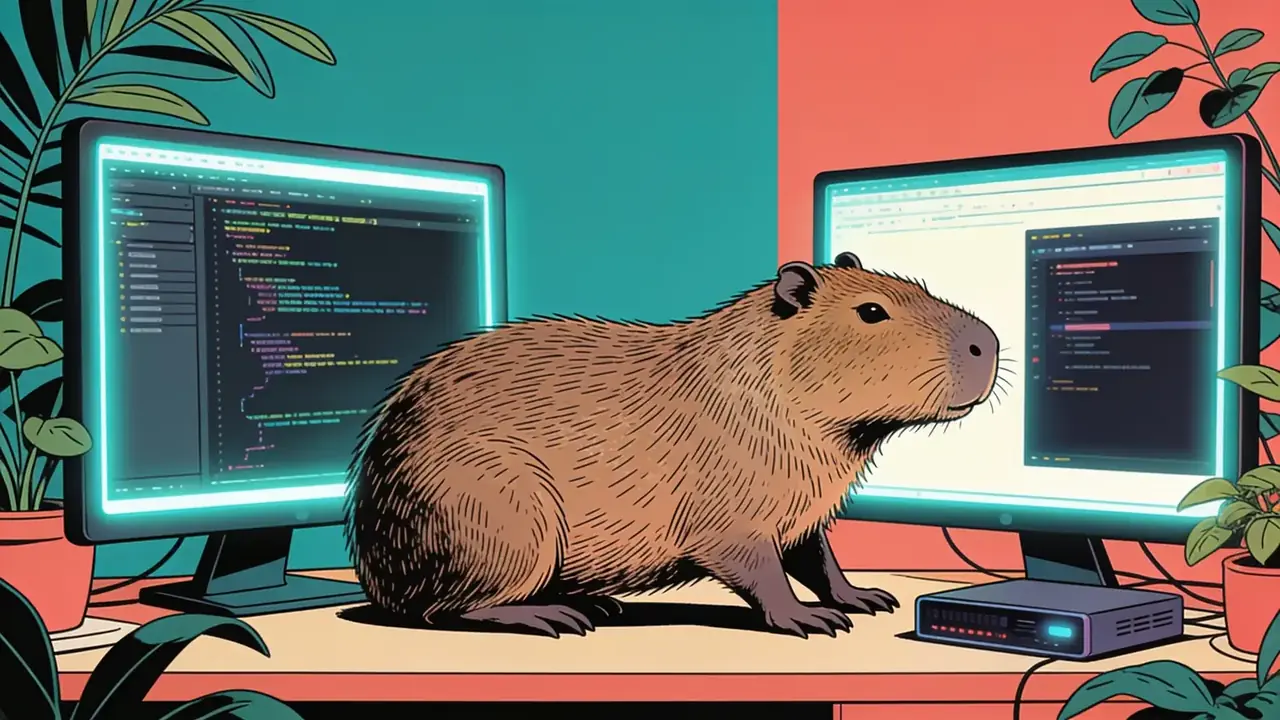
Cursor keeps you in an AI editor; Claude Code delegates whole tasks to a terminal agent. A head-to-head on interface, autonomy, automation, and which to pick, plus why many use both.

The Claude Code tool is free to install, but using it isn't: it needs a paid Claude plan or API credits. What's free, what costs money, and the cheapest path for how you work.

OpenClaw is powerful but friction-heavy. An honest, by-use-case comparison of the best OpenClaw alternatives in 2026: by setup, security, cost, and who each is built for.

Manus is capable but credit-metered and opaque. An honest, by-use-case comparison of the best Manus AI alternatives in 2026: by pricing, visibility, and what each is built for.

Loop engineering is the cycle behind every reliable AI agent. Learn what an agentic loop is, loop vs chain, the core patterns, failure modes and guardrails, and how to measure a loop.

Claude Code web means running Claude Code in your browser instead of a terminal. How to do it with no install, plus the official Chrome integration and self-hosted options compared.

What context engineering is, how it differs from prompt engineering, the four core techniques, how the major frameworks line up, how to measure it, and how to apply it in multi-agent systems.

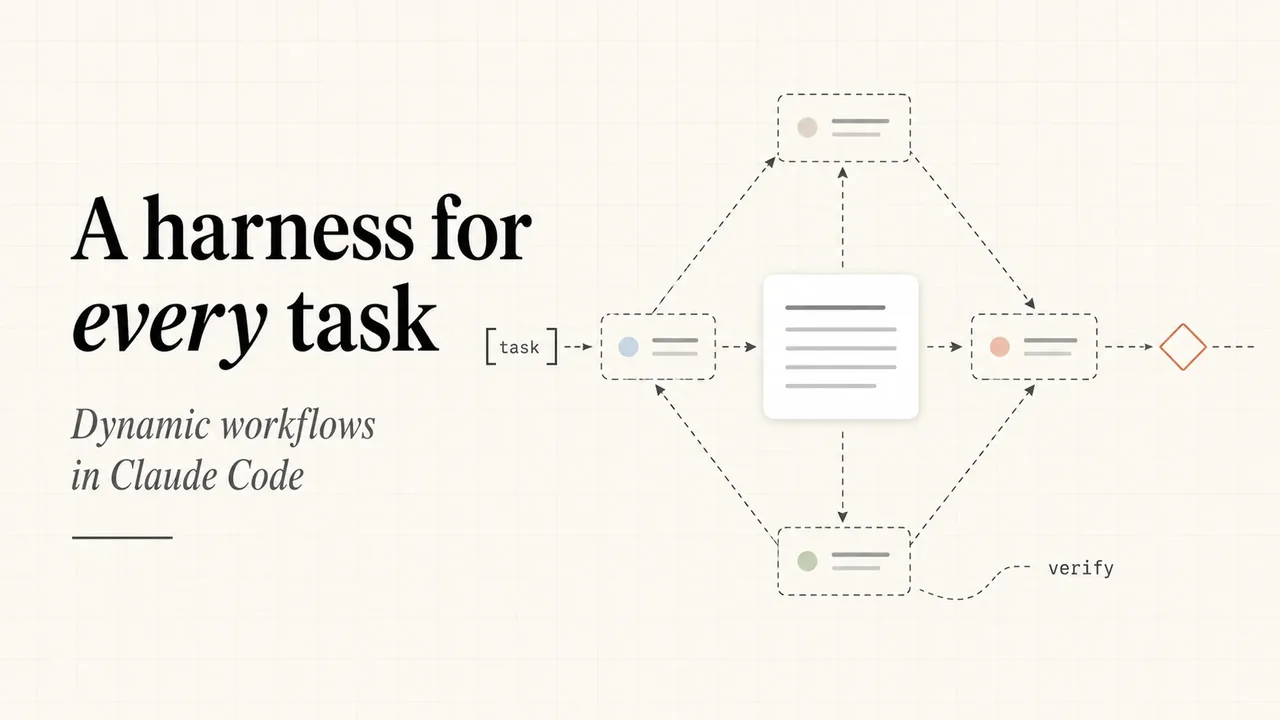
Agent = Model + Harness. A practical guide to what a harness is, its seven components, how it relates to prompt and context engineering, the real harnesses compared, and how to evaluate one.
We ran 125 AI agents in parallel to screen 115 candidates against a consistent rubric, producing a ranked, reasoned, and fully auditable shortlist for $65.

Learn what cloud sandbox is, how it works, and why AI developers use it. Explore Happycapy's browser-based sandbox environment.

Learn how browser-based AI trainers work without installation. Discover Happycapy's cloud AI platform for training and deploying AI agents instantly.

Learn what AI cloud sandboxes are, how they work, and why they're essential for safe AI development. Explore Happycapy's browser-based sandbox environment.

Learn how AI agents transform business operations. Discover real-world applications, benefits, and how to implement AI agents with Happycapy's no-code platform.

Cursor, Copilot, Windsurf, JetBrains AI, and Amazon Q compared on pricing, agentic depth, multi-file context, and which tool fits which team size.

Five platforms that read repos, run tests, and open pull requests on their own. What each one is best at, and what it costs.

Why traditional marketing platforms are too heavy for a 3-person team, what to run in the background instead, and how to launch quickly.

Most SEO tools alert; far fewer actually execute. Where Happycapy, Semrush, and Surfer fit, plus how to pick the right one for your team shape.

ChatGPT, Claude, Perplexity, and Happycapy on the free tier. Which one advises, which acts, and which to install first if you can only pick one.

Browser-native AI agents versus self-hosted node graphs: architecture, real cost, migration time for 10 to 20 workflows, and when n8n is still the right call.

When 10+ active n8n workflows start costing more to maintain than they save, why teams move to Happycapy, and where n8n still wins.

Automation that adapts to changing inputs, conditional logic, and multi-tool flows, without writing custom glue code or hiring an automation engineer.

Why Zapier and Make hit a wall on multi-step work, and what a free-tier AI agent that reasons rather than triggers does for ops teams.

Happycapy, Zapier, Make, n8n, and Power Automate compared on real use cases: rule-based data movement versus an agent that completes tasks in plain English.

What an operations agent actually does day to day, how it reasons through email and PDFs that break RPA, and how to measure ROI fast.

Email triage, weekly reports, content pipelines: how to describe the outcome instead of mapping every step, and a time-to-ROI framework you can run this week.

Seven platforms scored across ease of use, depth, and total cost, plus the architectural choice that quietly costs teams four months when they pick wrong.

A free-tier browser-based agent that runs without a credit card: how to launch your first one and where the practical limits start to bite.

Skip the LangChain setup, Docker container, and dependency hell: configure agents with five Markdown files in a browser tab and ship the same day.

When Zapier per-task pricing and data residency rules block you, what self-hosted automation actually costs to run, and the compliance picture under HIPAA and GDPR.

Five open-source options compared on price, setup, and skill library size: where Happycapy, n8n, and Activepieces each make sense by team and use case.

Why teams leave n8n once Docker overhead and bolted-on AI nodes start slowing them down, and which alternative fits non-technical users versus DevOps teams.

A 15-minute setup that turns your course PDFs into flashcards, summarizes lectures, and runs parallel study sessions, without paying $40 an hour for a tutor.

Stop spending 43% of your week on thumbnails, captions, and cross-posting: how to hand content work to an agent and wake up to finished output.

Connect Excel and CSV files to an agent that runs Python, builds dashboards, and reclaims the analyst hours lost to cleaning and rebuilding pivot tables.

Where ChatGPT actually refuses (security research, adult fiction, aggressive copy), and how a system-prompt-level architecture lets you set policy for your work.

Five Zapier alternatives priced in INR with the integration gaps that hit Indian SMEs hardest: Razorpay, Zoho, IndiaMART, and WhatsApp Business handled honestly.

Cursor for the developer who lives in their IDE; Happycapy for teams that need autonomous agents running in a browser without an install.

A persistent agent that ships work after you close the tab: migrate 40 endpoints overnight, integrate GitHub directly, and skip the paste-error-paste loop.

Eight platforms compared by what they actually do best: Claude for long docs, Perplexity for live research, Happycapy for autonomous workflows, not a ranked list.

Persistent story memory, 300,000+ skill plugins, and parallel sessions: what authors and screenwriters need that a general-purpose chat window cannot offer.

Cut time-to-intervention from 14 days to under 48 hours by watching Salesforce, Mixpanel, and Zendesk continuously: flag at-risk accounts before they churn.

SDRs sell only a third of the day: how to hand lead scoring, outreach, and CRM hygiene to an agent and recover the rest.

A 21-hour week of resume screening, scheduling, and ATS busywork, reduced to under two with a configurable agent your team owns and can audit.

A practical guide for vendors and law firms: how to sell AI legal document analysis software to clients, plus how legal teams use AI agents for contract review, case research, and drafting in a secure, isolated workspace.

Skip the redline cycle: how designers turn Figma mockups into working production code, generate variations, and stop losing 50% of work to handoff translation.

A complete course for non-technical users, from your first agent to scheduled 24/7 workflows, built around plain-language instructions, scheduling, and 300,000+ skills.

Industry research, competitive maps, and PowerPoint decks generated in 20 minutes instead of 6 to 10 hours, about $5,000 of recovered capacity per engagement.

Cut month-end close by 70% by automating invoice OCR, reconciliation, statement generation, and compliance checks, without spreadsheet wrangling or cascading formula errors.

How agencies serve 3 to 5x more clients per FTE by running parallel agent sessions for content, scheduling, and reporting across every account at once.

A 15-minute setup for a browser-based agent that runs tests, triages logs, and ships PRs while you focus on architecture, no local toolchain to maintain.

A persistent agent that keeps reviewing literature overnight, remembers your inclusion criteria and citation style, and pulls back the 23 hours a week academics lose.

A practical evaluation guide for 50+ person organizations weighing real automation infrastructure against chatbot wrappers, with same-day deployment criteria that disqualify most legacy RPA.

Compares no-code agent platforms across setup time, execution depth, and pricing transparency, showing where browser-native tools beat developer-first stacks for non-technical knowledge workers.

The best AI analytics software for business KPIs, finance teams, and agencies: automated spend insights and reporting that compress data-to-insight cycles from full days to under two hours.

A side-by-side look at IDE-in-browser versus agent-native sandbox paradigms, framed for engineering teams choosing between manual coding workflows and delegating tasks to autonomous agents.

A 30-minute walkthrough that takes you from signup to a running scheduled task, building a Desktop, an agent, and one installed Skill end-to-end.

Maps the academic workflow stages where automation actually pays off, from abstract screening to citation formatting, and where human judgment must still own the work.
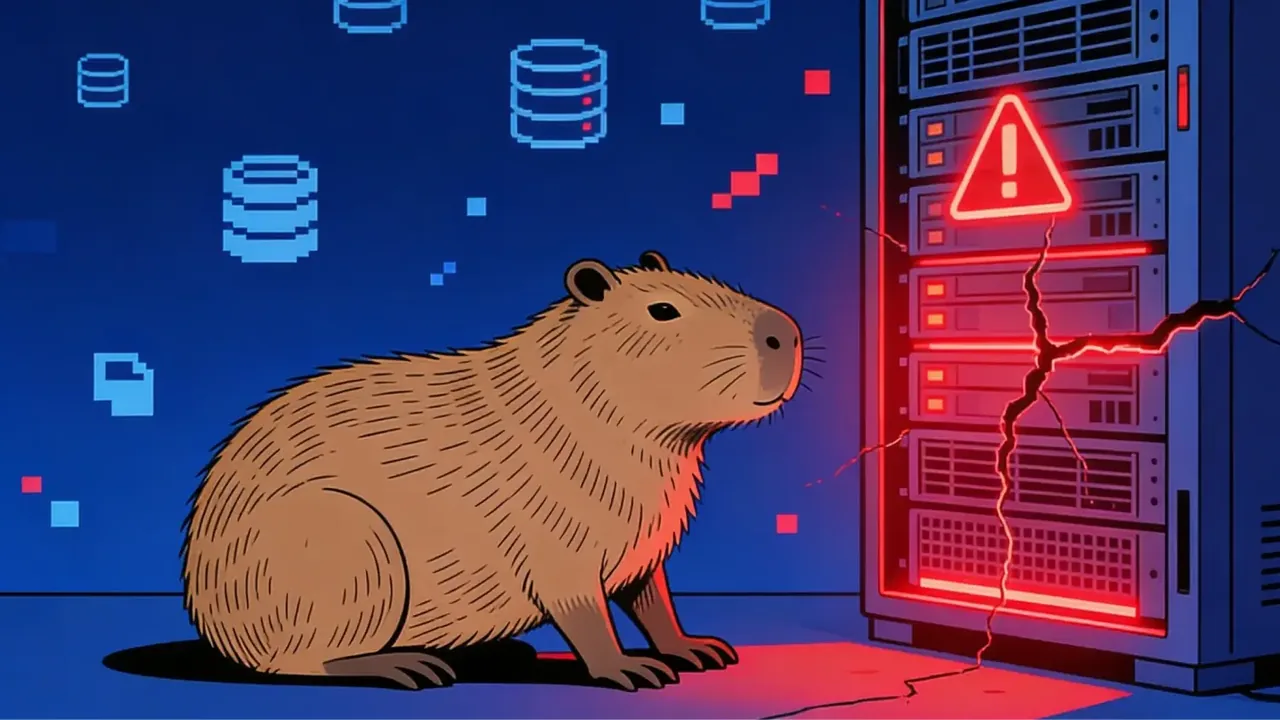
Unpacks the April 2026 Hacker News incident where an autonomous agent destroyed live data, and what it reveals about blast radius, permissions, and irreversible actions.

Inside Anthropic Project Deal experiment where Claude agents bought and sold from each other using real money, and what it signals about agent-to-agent markets.

Why Jamie Dimon 30-year forecast rests on measured numbers: 600 production AI apps, 150,000 weekly users, and 600,000 employee hours recovered every single week.

How DeepMind, World Labs, and AMI Labs bet on world models: AI that predicts physical outcomes rather than the next token in a sentence.

A leaked source map exposed Anthropic R2 bucket and 512,000 lines of Claude Code, surfacing four unreleased features including KAIROS monitoring and the Dream engine.

Three days after Jensen Huang declared AGI achieved, ARC-AGI-3 scored every frontier model under one percent on novel interactive tasks humans solved perfectly.

How Klarna 40 million dollar AI customer service rollout quietly reversed when complex cases collapsed without institutional knowledge, a cautionary case for replacement-first automation.